How Do Hybrid Cars Work? Simple Guide Explained
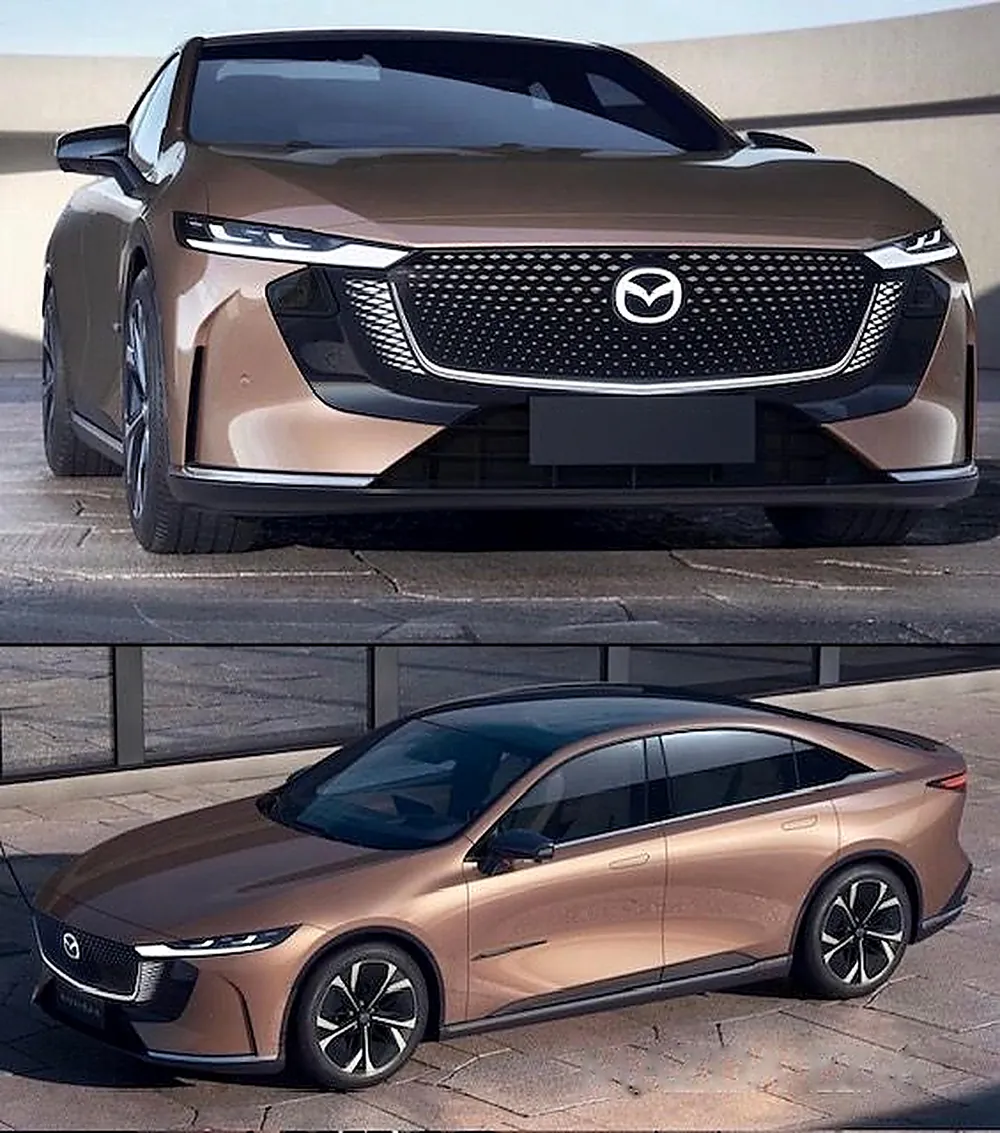
The Mazda EZ-6 range-extender uses its engine only to make electricity.
How do hybrid cars work? In simple words, a hybrid car uses two power sources. One is a gasoline engine. The other is an electric motor. A battery stores the electric power, and a computer decides which source to use at any moment.
The goal is easy to understand. Use less fuel and make fewer emissions, without asking the driver to plug in. That sounds like magic, but the idea is quite simple. In this guide, you will learn the main parts, the steps while driving, the types of hybrids, and the pros and cons.
Let’s start with the basic idea.
How Do Hybrid Cars Work? The Basic Idea
how do hybrid cars work? A normal car burns fuel in an engine to move. Much of that energy turns into heat and is wasted. A hybrid car tries to waste less.
It does this in two ways. First, it uses an electric motor to help the engine, or even replace it at low speeds. Second, it saves energy that a normal car would throw away when braking. That energy goes into a battery for later use.
Think of it like a team. The engine is strong over long distances. The electric motor is smooth and efficient in slow traffic. Together, they cover each other’s weak points. As a result, the car uses fuel more wisely.
A small computer acts as the coach. It reads your speed, how hard you press the pedal and how full the battery is. Then it picks the best mix of engine and motor power. You do not have to do anything. You just drive.
How Do Hybrid Cars Work Inside? The Main Parts
A hybrid looks like a normal car from the outside. Underneath, a few extra parts make the difference. Let’s go through them.
The gasoline engine
The engine is still the main power source in most hybrids. However, it is often tuned for efficiency rather than raw power. Many hybrids use an efficiency-focused engine design, such as the Atkinson cycle, because the electric motor can fill in the power gap when needed.
The engine can also switch off while you are stopped or moving slowly. That saves fuel in traffic.
The electric motor and generator
The electric motor turns the wheels, either alone or together with the engine. It gives strong pull from a standstill, which is why hybrids feel smooth and quiet when pulling away.
The same motor can also work in reverse. When it does, it acts as a generator. It turns the car’s movement back into electricity. This is the key to saving energy while braking.
The high-voltage battery
The hybrid battery is not the same as the small 12-volt battery that starts a normal car. It is a larger battery pack that stores electricity for the motor. Many hybrids use lithium-ion packs. Some use nickel-metal hydride.
In a regular hybrid, this battery is fairly small. It is charged by the engine and by braking, so you never need a plug.
The power control unit and transmission
This is the brain and the connector. The power control unit manages the flow of electricity between the battery and the motor. The transmission blends engine and motor power so the car feels smooth.
Some hybrids, like those from Toyota, use a special power-split system for this job. It lets the engine and motor share the work without a normal gearbox feel.
How Do Hybrid Cars Work While Driving?
The car switches between engine and motor many times during a normal trip. Most of this happens in the background. Here is a typical sequence.
Starting and driving slowly
When you pull away gently, many hybrids can use the electric motor alone. The engine stays off. The car is very quiet, and it uses no gasoline. This only lasts for a short distance in a regular hybrid, because the battery is small.
Cruising at a steady speed
As you speed up, the engine usually starts. It may power the car by itself. In some cases, it also sends a bit of extra energy to the battery. The computer keeps the engine in its most efficient range as much as it can.
Accelerating or climbing a hill
When you need extra power, the engine and the motor work together. This gives you quick acceleration, even from a smaller engine. For this reason, a hybrid does not feel weak when you overtake.
Braking and stopping
When you lift off the pedal or brake, the motor becomes a generator and sends energy to the battery. When you stop at a light, the engine often shuts off. Then it restarts when you move again.

Regenerative Braking Explained
Regenerative braking is the most clever part of a hybrid. In a normal car, braking turns movement into heat. That heat just escapes into the air. It is wasted.
In a hybrid, the electric motor helps slow the car down. While doing that, it makes electricity and stores it in the battery. In other words, the car recycles some of its own energy.
This is the reason hybrids do especially well in city driving. Stop-and-go traffic gives many chances to brake, so the battery keeps getting topped up. The normal friction brakes are still there for hard stops. However, they often get used less, so brake parts can last longer.
The Main Types of Hybrid Cars
Not all hybrids work in the same way. There are three common types. Knowing the difference helps you choose the right car.
Mild hybrids
A mild hybrid has a small electric motor and a small battery. The motor helps the engine and supports the start-stop function. However, it cannot drive the car on electric power alone. The fuel savings are smaller, but the extra cost is usually lower too.
Full hybrids
A full hybrid, sometimes called a self-charging hybrid, can drive short distances on electric power alone. It charges itself through the engine and regenerative braking. You never plug it in. The Toyota Prius is the best-known example.
Plug-in hybrids
A plug-in hybrid, or PHEV, has a much larger battery. You can charge it at home or at a public charger. It can then drive further on electricity alone. The exact electric range depends on the model. When the battery runs low, it works like a normal full hybrid.
Series, Parallel and Power-Split Hybrids
Carmakers also build hybrids in different layouts. You do not need to know these to drive one. Still, the basic idea is useful.
- Series hybrid: The engine only makes electricity. The motor alone turns the wheels.
- Parallel hybrid: The engine and the motor can both turn the wheels directly.
- Power-split hybrid: The system can blend both ways and switch between them as needed.
Many popular full hybrids use a power-split design. It is smooth and efficient, which is why it has been so successful.
Advantages of Hybrid Cars
- Lower fuel use: Hybrids can use less fuel than similar gasoline cars, especially in city traffic.
- Lower emissions: Burning less fuel means fewer exhaust emissions.
- No plugging in: A regular hybrid charges itself. That is great for people without a home charger.
- Quiet driving: The car can move silently on electric power at low speeds.
- Less brake wear: Regenerative braking takes some of the load off the brake pads.
Drawbacks of Hybrid Cars
- Higher price: Hybrids often cost more than the gasoline version of the same model.
- More complex: There are more parts than in a normal car.
- Smaller gains on highways: At steady high speeds, the engine does most of the work. Therefore, the savings are smaller than in city driving.
- Battery replacement: A hybrid battery can be costly to replace after many years, although many last a long time.
- Less space in some models: The battery pack can take up some cargo or cabin space.
Because prices and fuel figures change by model and year, check the official numbers for the exact car you plan to buy.
Is a Hybrid Right for You?
A hybrid makes the most sense in a few cases.
If you drive mostly in cities or heavy traffic, a full hybrid can save a lot of fuel. If you cannot charge at home, a regular hybrid is easier than an electric car. And if you have a short daily commute and a place to plug in, a plug-in hybrid may suit you well.
However, if you drive mostly long highway miles, the gain may be smaller. In that case, compare the extra price with the likely fuel savings before you decide.
Quick Hybrid Facts
- A hybrid uses a gasoline engine, an electric motor and a battery.
- The Toyota Prius arrived in Japan in 1997 and made hybrids popular.
- Regular hybrids charge themselves, so you do not plug them in.
- Regenerative braking turns braking energy into electricity.
- Hybrids do best in stop-and-go city traffic.
- The three main types are mild, full and plug-in hybrids.
Frequently Asked Questions
Do hybrid cars need to be plugged in?
A regular (full) hybrid does not. It charges itself with the engine and regenerative braking. Only plug-in hybrids need a charger.
Is a hybrid the same as an electric car?
No. A hybrid has both an engine and a motor, and it still burns gasoline. A fully electric car has no engine and runs only on its battery.
How long does a hybrid battery last?
Many hybrid batteries last for many years. Carmakers often back them with long warranties. The exact period depends on the brand and the country, so check the warranty for your model.
Are hybrids good on the highway?
They work fine on the highway. However, the fuel savings are usually bigger in city driving, where the system can use the motor and regenerative braking more often.
Do hybrids need special maintenance?
They need regular servicing like any other car. Follow the service schedule in the owner’s manual. The hybrid system is built to be reliable, and brakes may even last longer.
Final Thoughts About how do hybrid cars work
So, how do hybrid cars work? They pair a gasoline engine with an electric motor and a battery. A computer blends the two so the car uses less fuel. At the same time, regenerative braking saves energy that a normal car would waste.
It is a simple idea with smart engineering behind it. If you want better fuel economy without changing how you drive, a hybrid is worth a look. Check the official specs of any model before you buy, and pick the type that fits your daily driving.
#HybridCars #HowDoHybridCarsWork #Hybrid #HybridVsElectric #FuelEconomy #RegenerativeBraking #PluginHybrid #Prius #GreenCars #CarTech #CarFacts #CarsExplained #Toyota #ElectricCars #CarsGallery
hybrid cars, how do hybrid cars work, how hybrids work, regenerative braking, plug-in hybrid, full hybrid, mild hybrid, hybrid vs electric, hybrid battery, fuel economy