What Year Honda CR-V Should I Avoid? 5 Risky Years
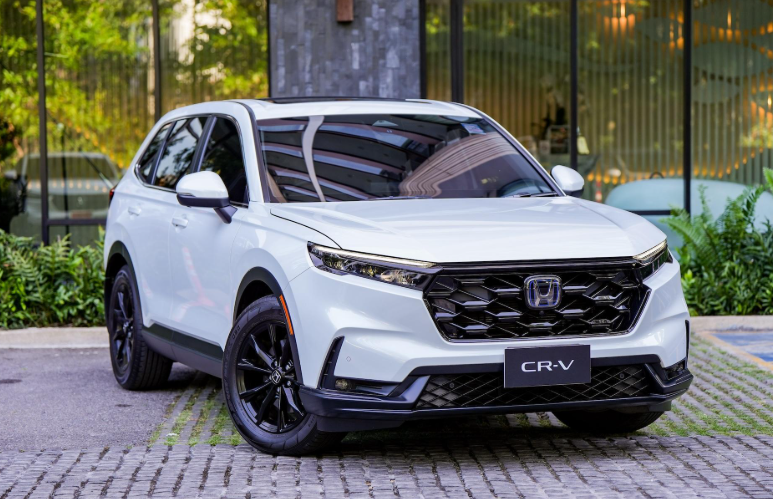
Compare the model year, maintenance history, and recall status before buying a used Honda CR-V.
Are you planning to buy a used Honda CR-V in the United States? Before you choose a model, take time to compare its maintenance history, reliability concerns, and potential repair costs. Although the Honda CR-V offers practical space and everyday comfort, certain models deserve a closer inspection.
So, what year Honda CR-V should you avoid? If you are shopping for a used SUV, start by checking the 2017 and 2018 models for reported engine oil dilution issues. Also, verify the steering gearbox recall status on applicable 2023–2025 vehicles. These concerns do not affect every CR-V, but they give buyers important reasons to investigate a vehicle before purchasing it.
My recommendation: Do not reject a Honda CR-V based on its model year alone. Instead, choose a vehicle with a documented maintenance history, verified recall repairs, and a satisfactory independent inspection.
In this guide, you will learn which model years deserve extra attention, what problems to investigate, and how to select a used Honda CR-V that fits your needs and budget.
Table of Contents
- Honda CR-V Years to Check Carefully
- Honda CR-V Model Year Comparison
- Common Problems to Investigate
- Which Honda CR-V Should You Buy?
- Used Honda CR-V Buying Checklist
- Frequently Asked Questions
- Final Verdict
Honda CR-V Years to Check Carefully
Rather than labelling an entire model year unreliable, focus on the specific issues reported for that year. The following models deserve additional research before you make a decision.
1. 2017 Honda CR-V: Investigate Engine Oil Dilution
The 2017 Honda CR-V introduced a newer generation with updated styling, improved cabin space, and an available 1.5-liter turbocharged engine. However, some owners reported engine oil dilution in vehicles equipped with that engine.
Engine oil dilution occurs when fuel mixes with the engine oil. Under certain conditions, repeated short trips and very cold temperatures can prevent the engine from warming up enough to evaporate the excess fuel.
My recommendation: If you are considering a 2017 CR-V with the 1.5-liter turbo engine, ask the seller about its oil-change history and any previous engine-related repairs.
Before buying, take these steps:
- Request maintenance invoices and repair records.
- Ask a Honda dealer whether the vehicle received applicable software updates or product-update work.
- Have a qualified mechanic investigate unusual oil-level changes or suspected fuel contamination.
- Check the engine and dashboard for warning signs.
- Compare the inspection results with the asking price.
A well-maintained 2017 CR-V may still suit your needs. However, I would not purchase one without checking its engine condition and service history first.
2. 2018 Honda CR-V: Check the Turbocharged Engine History
The 2018 Honda CR-V also received reports of oil dilution involving certain vehicles with the 1.5-liter turbocharged engine.
Honda introduced a product-update campaign for certain 2017–2018 CR-V vehicles in the United States. The campaign addressed oil dilution concerns under specific operating conditions, particularly in certain cold-weather states.
Consequently, buyers should investigate whether the vehicle qualified for the update and whether the appropriate work was completed.
Here is what I recommend:
- Request the vehicle identification number (VIN).
- Ask the seller for service records related to engine oil and software updates.
- Arrange an independent engine inspection.
- Ask the mechanic to investigate any unusual oil condition or engine performance.
- Compare the vehicle with other CR-V models in a similar price range.
The 2018 CR-V still offers useful passenger space and everyday practicality. Nevertheless, I would choose one only after reviewing its maintenance records and confirming that the engine performs properly.
3. 2023 Honda CR-V: Verify the Steering Gearbox Recall
The 2023 Honda CR-V offers a modern cabin, updated technology, and available hybrid power. However, certain 2023–2025 CR-V and CR-V Hybrid vehicles fall within Honda’s steering gearbox safety recall, NHTSA campaign 24V-744.
The recall addresses a manufacturing issue that can increase friction inside the steering gearbox. As a result, an affected vehicle may require greater steering effort, increasing the risk of a crash.
My recommendation: Check the VIN before purchasing a 2023 CR-V. Ask a Honda dealer to confirm whether the vehicle falls within the recall population and whether the required repair has been completed.
You can use these official resources:
- NHTSA recall lookup: https://www.nhtsa.gov/recalls
- Honda recall lookup: https://owners.honda.com/service-maintenance/recalls/
Do not assume that every 2023 CR-V has the defect. The recall applies to specific vehicles, so check the individual VIN rather than rejecting every example from that model year.
4. 2015 Honda CR-V: Prioritize Condition Over Age
The 2015 Honda CR-V may appeal to buyers who want an older SUV at a lower purchase price. However, age and accumulated mileage can increase the importance of a thorough inspection.
Before buying, ask a mechanic to examine the suspension, brakes, tires, engine, transmission, and underbody. Also, review the vehicle’s accident history and check for rust, leaks, or evidence of neglected maintenance.
I recommend comparing at least two or three vehicles before making your decision. A slightly more expensive CR-V with better records and fewer immediate repair needs may offer better overall value.
5. 2020 Honda CR-V: Compare the Exact Vehicle
The 2020 Honda CR-V can be a practical option for buyers who want a more recent model without paying the price of a newer SUV. Nevertheless, the model year alone cannot tell you whether an individual vehicle has received proper care.
First, identify the trim and powertrain. Next, review its service history, inspect the vehicle for accident damage, and verify applicable recalls.
During the test drive, check acceleration, braking, steering, and transmission behavior. If you notice unusual noises, warning lights, or inconsistent performance, ask a qualified mechanic to investigate them before you buy.
My recommendation: Keep the 2020 CR-V on your shortlist if it fits your budget, but let the vehicle’s condition and inspection results determine whether you purchase it.
Honda CR-V Model Year Comparison
Use this table to compare the main concerns and recommended checks for each model year.
| Model year | What to investigate | My recommendation |
|---|---|---|
| 2015 | Age-related wear, maintenance, and accident history | Buy only after a thorough inspection |
| 2017 | Oil dilution reports on certain 1.5L turbo models | Verify service history and engine condition |
| 2018 | Oil dilution reports on certain 1.5L turbo models | Check applicable updates and repairs |
| 2020 | Maintenance, powertrain condition, and recalls | Compare inspection results with the price |
| 2023 | Steering gearbox recall eligibility | Verify the VIN and repair status |
This table highlights inspection priorities rather than ranking every CR-V model year from worst to best.
Common Problems to Investigate Before Buying a Honda CR-V
A careful inspection can help you identify potential repair costs before you commit to a purchase. Focus on the following areas.
Engine and Oil Condition
Ask the seller when they last changed the oil and whether the engine has needed repairs. For applicable turbocharged models, discuss oil dilution concerns with your mechanic.
Also, pay attention to warning lights, unusual noises, and unexplained oil-level changes. A qualified technician can determine whether the vehicle needs further testing.
Transmission Performance
Take the CR-V for a test drive and check whether the transmission operates smoothly. Delayed engagement, unusual noises, or inconsistent performance deserve professional attention.
Do not assume that every unusual sensation indicates transmission failure. Instead, ask a mechanic to identify the cause and estimate any necessary repairs.
Steering and Suspension
Check the steering for unusual resistance and listen for noises when driving over uneven surfaces. Ask a mechanic to inspect the suspension, alignment, and related components.
For applicable 2023–2025 models, verify the steering gearbox recall status before you buy.
Brakes, Tires, and Accident Damage
Inspect the tires for uneven wear and check whether the brakes produce unusual noises or vibration. Also, look for inconsistent paintwork, rust, damaged panels, or signs of previous collisions.
Request a vehicle history report, but remember that it may not include every accident or repair. An independent inspection can provide additional information.
Electrical Features and Safety Equipment
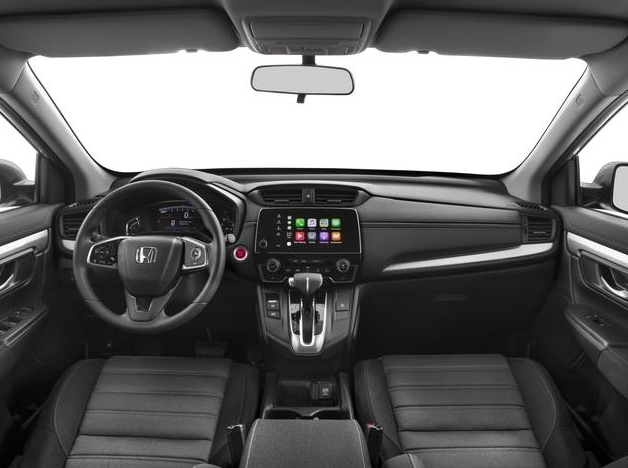
Test the air conditioning, windows, locks, dashboard displays, cameras, and infotainment system. If the vehicle has driver-assistance features, confirm that the systems operate correctly.
Also, ask a qualified technician to investigate any safety-related warning lights before you complete the purchase.
Which Honda CR-V Should You Buy?
The best Honda CR-V for you depends on your budget, driving habits, and the condition of the vehicle.
Consider the 2016 Honda CR-V
If you want an older, potentially more affordable SUV, compare the 2016 CR-V with similar vehicles in your market. Check its maintenance history, mileage, condition, and current price before deciding.
Compare the 2019–2022 Models
These model years may offer a useful balance of modern features and used-car pricing. However, inspect each vehicle individually and verify its service records and recall status.
Consider a Newer Model Carefully
Newer CR-V models may provide updated technology and additional features. However, they can cost more to purchase and insure. Therefore, compare the total cost of ownership rather than focusing only on the model year.
My recommendation: Choose the CR-V that passes an independent inspection, has reliable service documentation, and fits your budget. A well-maintained vehicle often makes a better purchase than a newer SUV with an uncertain history.
Used Honda CR-V Buying Checklist
Before you make an offer, follow this checklist.
- Verify the VIN: Confirm the exact model year, trim, engine, and recall eligibility.
- Review maintenance records: Ask for service invoices and details of previous repairs.
- Check official recalls: Use NHTSA or Honda’s official recall lookup.
- Arrange an independent inspection: Have a qualified mechanic inspect the engine, transmission, brakes, steering, and suspension.
- Take a test drive: Check for unusual noises, warning lights, and inconsistent performance.
- Review accident history: Look for previous damage and signs of poor repairs.
- Compare prices: Evaluate similar vehicles with comparable mileage, equipment, and condition.
- Calculate ownership costs: Consider insurance, fuel, maintenance, and potential repairs.
If the seller refuses an independent inspection or cannot explain major gaps in the vehicle’s history, consider another vehicle.
Frequently Asked Questions
What year Honda CR-V should I avoid?
The 2017 and 2018 Honda CR-V models deserve extra investigation because of oil dilution reports involving certain 1.5-liter turbocharged engines. Certain 2023–2025 models also fall within a steering gearbox recall. However, you should evaluate the individual vehicle rather than reject an entire model year.
Are 2017 and 2018 Honda CR-V models reliable?
Some owners have reported oil dilution concerns in applicable turbocharged models. Before buying one, review the maintenance records, ask about applicable product updates, and arrange an independent inspection.
Is the 2023 Honda CR-V worth buying?
It may be worth considering if the vehicle meets your needs and passes a thorough inspection. Check the VIN for steering gearbox recall eligibility and confirm that any required repairs have been completed.
Which Honda CR-V year is best for a used buyer?
No single model year is best for everyone. Compare the price, mileage, service history, features, and condition of several vehicles before deciding.
How can I check Honda CR-V recalls for free?
Visit https://www.nhtsa.gov/recalls or Honda’s official recall lookup and enter the vehicle’s VIN. This helps you identify recalls that apply to the specific vehicle.
Should I avoid a Honda CR-V with high mileage?
Not necessarily. High mileage does not automatically mean a vehicle is unreliable. Review the maintenance history and ask a mechanic to assess wear, condition, and likely repair costs.
Is a used Honda CR-V expensive to maintain?
Maintenance costs depend on the model year, mileage, condition, local labor rates, and parts prices. Ask a local mechanic to estimate the cost of any repairs identified during the inspection.
Final Verdict
So, what year Honda CR-V should you avoid? I recommend investigating the 2017 and 2018 models carefully for oil dilution concerns involving certain turbocharged engines. If you are considering a 2023 CR-V, check whether the steering gearbox recall applies and confirm that Honda has completed the necessary repair.
However, do not reject a vehicle simply because it belongs to one of these model years. Instead, compare its maintenance history, recall status, inspection results, and purchase price with those of other used CR-Vs.
My final recommendation is simple: prioritize documented maintenance, verify recalls by VIN, and pay for an independent inspection before buying. This approach will help you make a more informed decision and reduce the risk of unexpected repair costs.
Sources
- Honda’s engine oil dilution information: https://oemdtc.com/tsb/10152402/
- Official NHTSA steering gearbox recall documentation: https://static.nhtsa.gov/odi/rcl/2024/RCAK-24V744-1977.pdf
- NHTSA recall lookup: https://www.nhtsa.gov/recalls
- Honda Owners recall lookup: https://owners.honda.com/service-maintenance/recalls/
#HondaCRV #HondaCRVReliability #HondaCRVYearsToAvoid #UsedHondaCRV #HondaCRVProblems #HondaCRVOilDilution #2017HondaCRV #2018HondaCRV #2023HondaCRV #HondaCRVRecall #HondaCRVReview #HondaCRVBuyingGuide #UsedSUV #SUVBuyingGuide #CarReliability #UsedCarBuyingTips #HondaMaintenance #CarMaintenance #ReliableSUV #AutomotiveTips
Honda CR-V, Honda CR-V reliability, Honda CR-V years to avoid, what year Honda CR-V should I avoid, worst Honda CR-V years, best Honda CR-V years, used Honda CR-V, Honda CR-V problems, Honda CR-V engine problems, Honda CR-V oil dilution, 2017 Honda CR-V problems, 2018 Honda CR-V problems, 2023 Honda CR-V problems, Honda CR-V buying guide, Honda CR-V maintenance, used SUV buying tips, Honda CR-V recalls, Honda CR-V steering problems, reliable used SUVs, Honda CR-V inspection checklist