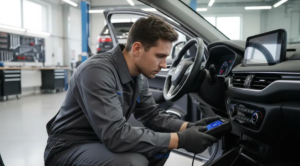
How Long Do Car Batteries Last? 5 Proven Ways to Extend Battery Life
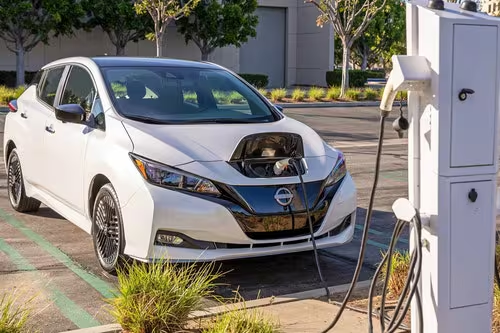
Electric vehicles use high-voltage battery packs that differ from conventional 12-volt car batteries.
If you’re wondering how long do car batteries last, most conventional car batteries last around 3 to 5 years under normal driving conditions. However, extreme temperatures, frequent short trips, and poor maintenance can shorten their lifespan. By recognizing early warning signs and following a few simple maintenance tips, you can help your car battery last longer and avoid unexpected starting problems.
Your car starts with a simple turn of the key or press of a button, but what happens when the battery begins to lose its power? A weak battery can turn an ordinary morning into an unexpected delay, especially when you need to get somewhere quickly.
So, how long do car batteries last? Most conventional car batteries last around three to five years. However, extreme heat, driving habits, battery quality, and maintenance can all affect their lifespan.
The good news is that you can often spot battery problems before they leave you stranded. Understanding the average battery lifespan, recognizing early warning signs, and following a few maintenance tips can help you keep your vehicle reliable.
Quick Answer
- Average lifespan: Around 3–5 years for most conventional car batteries.
- Biggest factors: Heat, vibration, driving habits, and charging-system condition.
- Common warning signs: Slow engine cranking, dim lights, and frequent jump-starts.
- Best next step: Have an aging or unreliable battery tested before deciding whether to replace it.
How Long Do Car Batteries Last on Average?
Most conventional 12-volt car batteries last approximately three to five years. Some batteries fail earlier, while others continue working beyond five years under favorable conditions.
According to AAA’s car battery guide, time, heat, and vibration are three important factors that influence battery life.
Your driving routine also makes a difference. Frequent short trips may not give the charging system enough time to replace the energy used when starting the engine. On the other hand, leaving a vehicle parked for extended periods can allow the battery to discharge gradually.
Climate matters, too. High temperatures can accelerate battery deterioration, while cold weather makes it harder for a battery to deliver enough power to start an engine.
| Factor | How it affects battery life |
|---|---|
| Extreme heat | Accelerates internal battery deterioration |
| Frequent short trips | May prevent the battery from fully recharging |
| Long periods without driving | Allows the battery to discharge gradually |
| Excessive vibration | Can damage internal battery components |
| Charging-system problems | Can cause repeated undercharging or overcharging |
| Regular inspections | Help identify problems before battery failure |
Smart tip: Don’t wait until your battery stops working completely. Once it reaches around three years of age, regular testing can help you identify declining performance and plan for replacement.
7 Warning Signs Your Car Battery Needs Attention
Car batteries don’t always fail without warning. Recognizing the following symptoms can help you address a problem before it becomes an inconvenient breakdown.
1. Your Engine Takes Longer to Start
Does your engine crank more slowly than usual when you start the car? A weak battery may struggle to provide the electrical current needed by the starter motor.
You might notice that the engine sounds sluggish or takes several attempts to start. Although a weak battery can cause this problem, a faulty starter or poor electrical connection may produce similar symptoms.
What to do: Have the battery and starting system tested to identify the cause.
2. You Hear Clicking Sounds When Starting
A clicking sound when you turn the key or press the start button can indicate insufficient battery power. Loose connections or a faulty starter can also cause clicking.
Repeated clicking is a reason to investigate the starting system, but it doesn’t automatically mean the battery needs replacement.
What to do: Ask a qualified technician to check the battery charge, terminal connections, and starter.
3. Your Headlights Become Dim
Dim headlights, flickering dashboard lights, or unusual electrical behavior can indicate a weak battery or charging-system problem.
These symptoms deserve extra attention when they appear alongside slow engine cranking or difficulty starting the vehicle.
What to do: Have the battery, alternator, and electrical connections inspected.
4. The Battery Warning Light Appears
A battery-shaped warning light on the dashboard usually indicates a charging-system problem. The battery may be involved, but the alternator, wiring, or related components could also be responsible.
What to do: Consult your owner’s manual and arrange an inspection promptly, particularly if the warning light stays on while the engine runs.
5. Your Car Needs Frequent Jump-Starts
An occasional jump-start after leaving the headlights on doesn’t necessarily mean your battery has reached the end of its life.
However, repeatedly needing a jump-start may indicate that the battery cannot hold its charge. An electrical drain or charging-system fault could also be responsible.
What to do: Have the battery and charging system tested before buying a replacement.
6. Corrosion Develops Around the Battery Terminals
A white, blue, or greenish deposit around battery terminals may interfere with electrical connections. Corrosion can contribute to starting difficulties, but it doesn’t always mean the battery itself has failed.
What to do: Have the terminals inspected and cleaned safely. A technician can also check whether the battery is charging correctly.
7. The Battery Case Looks Swollen or Damaged
A swollen, cracked, or leaking battery case can indicate serious damage, overheating, or a charging problem.
Unlike minor starting symptoms, visible battery damage requires particular caution.
What to do: Stop using a visibly damaged battery and arrange professional assistance. Never attempt to open, repair, or recharge a swollen or leaking battery yourself.
Safety first: Battery acid can cause serious injuries, and damaged batteries may present additional hazards. Leave inspection and handling of a swollen or leaking battery to a qualified professional.
How Long Do Car Batteries Last in Different Climates?
Understanding what shortens battery life can help you make better maintenance decisions and avoid premature replacement.
Extreme Heat and Hot Weather
Heat is one of the major factors affecting conventional car batteries. High temperatures accelerate internal chemical reactions and can increase water loss in batteries that contain liquid electrolyte.
This is particularly relevant in hot climates, where high outdoor temperatures combine with heat beneath the hood.
Drivers in places such as Florida, Texas, and Arizona should pay attention to battery condition during hot weather. The same principle applies to other warm regions.
However, battery lifespan varies by battery design, vehicle, driving conditions, and maintenance. There is no single lifespan that applies to every climate or location.
Frequent Short Trips
Every time you start your car, the battery supplies energy to the starter. The charging system then replenishes that energy while the engine runs.
Very short trips may not provide enough time to restore the charge, especially when the vehicle uses substantial electrical power.
If you frequently drive short distances, monitor battery condition and ask a technician whether your driving routine is affecting its charge.
Leaving Your Car Unused
A parked vehicle can continue consuming small amounts of electricity through security systems, clocks, and other electronics. Over time, this can discharge the battery.
If you plan to leave your car unused for an extended period, follow the manufacturer’s storage recommendations. A compatible battery maintainer may help when appropriate.
Vibration and Poor Battery Mounting
Excessive vibration can damage internal battery components. A loose battery may also move around while the vehicle is in motion.
Make sure the battery is secured correctly with the manufacturer’s designated mounting hardware. Ask a technician to inspect the mounting if you notice movement or damage.
Charging-System Problems
Your alternator and associated charging components help replenish the battery while the engine runs.
If the charging system consistently undercharges or overcharges the battery, its lifespan may decrease. A battery that repeatedly loses charge may therefore have an underlying electrical problem rather than simply being old.
Have the charging system inspected when starting problems keep returning.
How Long Do Car Batteries Usually Last Before Replacement?
You cannot prevent normal battery aging, but good maintenance habits can help protect your investment.
Your Car Battery Care Checklist
- Check battery condition regularly, especially as it ages.
- Keep battery terminals clean and connections secure.
- Avoid leaving lights or accessories switched on unnecessarily.
- Follow the manufacturer’s recommendations when storing your car.
- Address battery warning lights and repeated starting problems promptly.
- Have the charging system checked if the battery repeatedly loses charge.
- Park in a shaded or covered location when practical to reduce unnecessary heat exposure.
- Use only a compatible battery charger or maintainer when required.
</blockquote>
Most modern car batteries are designed to require little routine maintenance, but some types have specific care requirements. Always follow your vehicle’s owner’s manual rather than assuming every battery needs the same treatment.
For additional guidance, read AAA’s car battery maintenance tips.
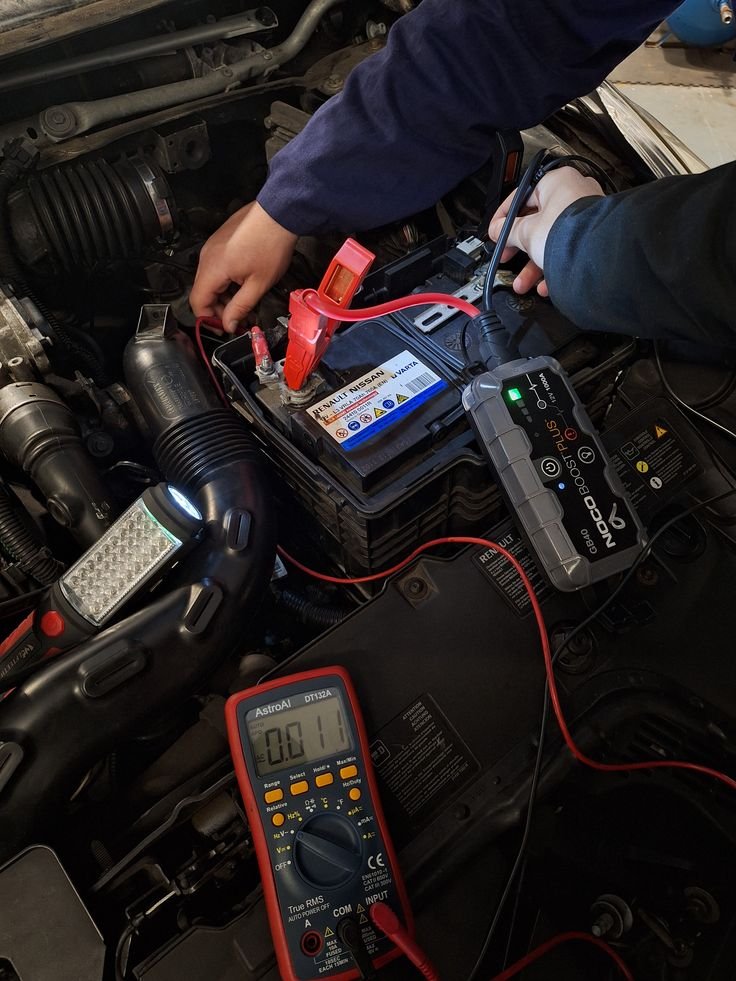
When Should You Replace a Car Battery?
A battery’s age is useful, but its actual condition is more important when deciding whether to replace it.
Consider arranging a battery test when your battery approaches three years of age, when starting becomes noticeably slower, or when electrical problems begin appearing.
Replacement may be necessary when a professional test shows that the battery can no longer deliver reliable starting power or hold an adequate charge.
Before purchasing a new battery, check the following:
- Correct battery type: Your vehicle may require a conventional flooded battery, an AGM battery, or another specified design.
- Correct size: The replacement must fit the battery compartment and mounting system.
- Required specifications: Follow the manufacturer’s recommendations for starting power and other electrical requirements.
- Warranty and manufacturing date: Check the warranty terms and ask about the battery’s age before buying.
- Installation requirements: Some vehicles require battery monitoring systems to be reset or a replacement battery to be registered.
Choosing the right battery matters more than simply buying the most expensive option.
Replacement reminder: A battery that repeatedly goes flat may have an underlying charging or electrical-drain problem. Test the complete system before assuming a new battery will solve everything.
Frequently Asked Questions
How long do car batteries usually last?
Most conventional car batteries last around three to five years. Climate, driving habits, vibration, and charging-system condition can shorten or extend their service life.
How long do car batteries last on average in hot climates?
There is no universal lifespan for hot climates. High temperatures can accelerate battery deterioration, so drivers in very warm regions should pay particular attention to battery testing and maintenance.
Can a car battery last longer than five years?
Yes. Some batteries last beyond five years under favorable conditions. However, age alone cannot tell you how much useful life remains, so regular testing is more reliable than assuming an older battery is still healthy.
How can I tell whether my car battery is dying?
Common warning signs include slow engine cranking, dim lights, clicking sounds when starting, and frequent jump-starts. A professional battery test can help determine whether the battery is failing.
Should I replace my car battery if it keeps dying?
Not automatically. The battery may be failing, but an alternator problem, electrical drain, or poor connection can produce similar symptoms. Have the battery and charging system tested before deciding what to replace.
Does driving every day help a car battery last longer?
Not necessarily. Regular driving can help replenish the battery’s charge, but frequent short trips may not provide enough charging time. Long periods without driving can also allow the battery to discharge.
Is a battery warning light always a sign of a bad battery?
No. The warning light often indicates a charging-system problem, which may involve the alternator, wiring, or other components. An inspection can identify the cause.
Final Thoughts
So, how long do car batteries last? For most conventional vehicles, the typical lifespan is around three to five years. However, temperature, driving habits, battery condition, and maintenance all influence how long a battery remains reliable.
Watch for slow starting, dim lights, repeated jump-starts, and dashboard warnings. Test an aging battery regularly, and investigate recurring electrical problems instead of assuming the battery is always at fault.
A little preventive maintenance can help you plan ahead, reduce unexpected starting problems, and make a more informed decision when replacement becomes necessary.
car battery lifespan, how long do car batteries last, average car battery life, car battery replacement, signs of a bad car battery, car battery maintenance, car battery warning signs, car battery testing, battery life in hot weather, automotive maintenance, car battery problems, weak car battery symptoms, car battery charging system, car battery corrosion, when to replace a car battery, car battery care tips, vehicle electrical system, car starting problems, car battery health, car maintenance guide
#CarBattery #CarBatteryLife #CarMaintenance #AutoCare #BatteryReplacement #CarBatteryTips #CarBatteryProblems #AutomotiveTips #VehicleMaintenance #CarBatteryHealth #CarCareTips #BatteryTesting #CarTroubleshooting #AutoRepair #CarBatteryWarning #CarBatteryMaintenance #CarOwners #VehicleCare #CarsGallery #AutomotiveGuide